























Calibrated fuel prioritisation policies during emergencies may ensure that essential public utilities receive priority access over luxury or non-essential consumption. Such measures must remain transparent, moderate and publicly trusted as excessive rigidity may encourage black marketing, panic buying, corruption and public inconvenience. Voluntary cooperation and public awareness always produce more sustainable outcomes than coercive enforcement.
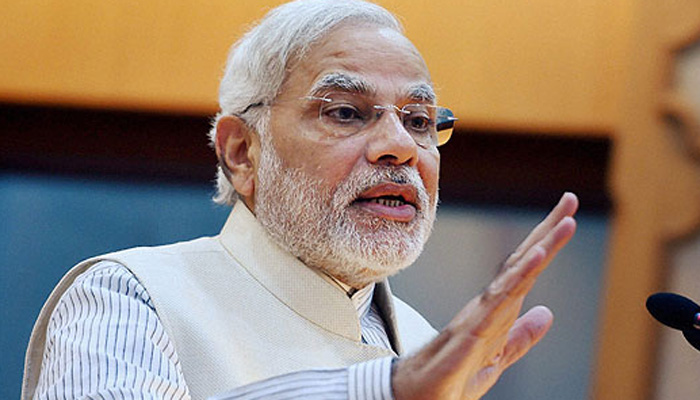
Prime Minister Narendra Modi’s recent appeal urging citizens to exercise restraint in unnecessary fuel consumption and excessive gold purchases has initiated an important national discussion on economic responsibility, energy security, cultural balance and collective preparedness during a period of global uncertainty. His suggestion that citizens reduce avoidable petrol and diesel consumption through work from home practices, greater use of public transport, moderation in luxury expenditure and temporary restraint in heavy gold purchases was viewed by many as an expression of preventive national wisdom rather than economic alarm. At the same time, concerns raised by the gem and jewellery sector regarding employment, artisanship and livelihood security are equally legitimate and deserve careful attention. The issue therefore requires neither emotional reaction nor rigid ideological interpretation, but a balanced understanding of India’s economic vulnerabilities, foreign exchange pressures, environmental challenges, cultural traditions and long-term developmental priorities.
The world at present is passing through a highly unstable geopolitical and economic phase. Continuing tensions in West Asia, disruptions in maritime trade routes, uncertainty in global energy markets, sanctions, wars and strategic rivalries among powerful nations have increased anxieties for import dependent economies like India. India imports more than eighty five percent of its crude oil requirement from foreign countries and spends well over one hundred and fifty billion dollars annually on petroleum imports. Whenever conflict intensifies in major oil producing regions, crude prices rise sharply across the world. Such increases immediately affect transportation, agriculture, industry, aviation, electricity generation and household expenditure within India. Simultaneously, India remains one of the largest importers of gold globally, importing several hundred tonnes every year, with the national gold import bill at times approaching or exceeding fifty billion dollars annually. When high oil imports and heavy gold imports occur together during periods of international instability, enormous pressure falls upon India’s foreign exchange reserves, trade deficit and currency stability.
In such circumstances, the Prime Minister’s appeal appears rooted in preventive national prudence rather than fear. History shows that countries facing external economic uncertainty have frequently appealed to citizens to reduce unnecessary consumption and luxury imports. During the oil crises of the twentieth century many nations encouraged fuel conservation, reduced avoidable vehicular movement and promoted public transportation to safeguard national economic stability. India today confronts a similar necessity for disciplined and thoughtful consumption patterns in order to strengthen resilience against external shocks.
Fuel consumption in modern India is directly linked with economic stability and inflation control. Every unnecessary litre of imported fuel consumed during periods of geopolitical instability increases national expenditure in foreign currency. Rising fuel prices affect every layer of economic life. When diesel prices rise, transportation costs for vegetables, grains, medicines and essential commodities also rise, ultimately increasing inflation within local markets. Agricultural machinery, irrigation systems, logistics chains and small businesses all become more expensive to operate. Increased aviation fuel prices also influence tourism, trade and commercial activity. Thus, fuel conservation is not merely an environmental concern but a national economic necessity.
India possesses one of the largest populations of motor vehicles in the world, especially two wheelers which remain the lifeline of middle class and lower income households. Millions depend upon motorcycles and scooters for employment, education, healthcare and daily mobility. Therefore, future industrial policy must encourage the manufacturing of highly fuel efficient and affordable vehicles suitable for Indian road conditions and Indian purchasing capacity. Technological innovation should focus upon ultra-efficient engines, ethanol compatible vehicles, compressed natural gas systems, lightweight hybrid models and affordable electric mobility. Such developments would simultaneously reduce national fuel dependency, lower household expenditure and contribute toward environmental sustainability.
In major urban centres temporary measures such as odd and even vehicle movement systems may also become useful during severe fuel crises or extreme pollution emergencies. Such systems, previously experimented with in Delhi, demonstrated partial success in reducing traffic congestion, fuel wastage and air pollution. If implemented rationally and temporarily, with exemptions for ambulances, emergency services, public buses, agricultural supply chains and essential utility vehicles, such measures can contribute toward conservation without severely disrupting public life. Similarly, calibrated fuel prioritisation policies during emergencies may ensure that agriculture, medical services, goods transportation and essential public utilities receive priority access over luxury or non-essential consumption. However, any such measures must remain transparent, moderate and publicly trusted because excessive rigidity may encourage black marketing, panic buying, corruption and public inconvenience. Voluntary cooperation and public awareness always produce more sustainable outcomes than coercive enforcement.
The environmental dimension of fuel conservation is equally important. Indian cities repeatedly experience dangerous levels of air pollution due largely to vehicular emissions and fossil fuel dependence. Reduced fuel consumption through greater use of Metro rail systems, buses, ride sharing, cycling, walking, efficient urban planning and work from home practices can significantly improve urban air quality and public health. Every litre of fuel conserved not only protects foreign exchange reserves but also reduces carbon emissions, respiratory illnesses and ecological degradation. Thus, economic prudence and environmental sustainability can progress together through responsible public behaviour.
The issue of gold consumption in India is socially and culturally more sensitive because gold in Indian civilisation is not merely a luxury commodity. Gold symbolises security, inheritance, dignity, marriage, social identity and emotional continuity across generations. In rural India particularly, gold frequently functions as emergency financial protection during crop failures, medical crises or economic distress. Women have historically depended upon jewellery as a form of personal financial security within households. Religious ceremonies, weddings and family traditions are also deeply associated with gold ornaments and symbolic gifting practices. Therefore, any public discussion regarding reduction of gold consumption must proceed with cultural sensitivity and emotional understanding.
Nevertheless, from a macroeconomic perspective excessive gold imports create a substantial burden upon the national economy because imported gold requires large outflows of foreign currency while contributing comparatively less toward productive industrial growth. Economists often describe excessive idle hoarding of gold as dead capital because enormous wealth remains locked inside vaults and lockers instead of circulating productively through manufacturing, infrastructure, scientific innovation, agriculture, entrepreneurship or employment generation. When international uncertainty simultaneously raises both crude oil prices and gold imports, economic pressures intensify further.
At the same time, the concerns expressed by India’s gem and jewellery sector are entirely valid. The jewellery ecosystem sustains millions of livelihoods directly and indirectly through goldsmiths, engravers, polishers, stone setters, designers, exporters, transport workers, packaging industries, retail employees and wedding related services. Industry estimates suggest that the sector contributes significantly to India’s GDP and merchandise exports while supporting nearly one crore livelihoods directly and indirectly. Therefore, jewellery consumption in India is not merely purchase of precious metal but also preservation of employment, traditional artistry and economic circulation.
India’s traditional goldsmith communities represent a living civilisational heritage whose skills have evolved across centuries. Sudden collapse in jewellery demand due to fear or economic uncertainty can severely affect hereditary artisans and small workshops that depend entirely upon seasonal and ceremonial purchases. Once such traditional craftsmanship disappears it becomes extremely difficult to restore. Therefore, national prudence should never translate into destruction of artisan livelihoods or abandonment of cultural heritage.
A balanced and compassionate path therefore becomes necessary. Society may distinguish between speculative hoarding and meaningful craftsmanship based consumption. Families may prefer lighter ornaments instead of excessively heavy purchases, choose simple ceremonial jewellery, utilise recycled household gold, redesign ancestral ornaments or commission phased jewellery production where labour intensive artistic work continues while heavier additions are postponed until economic conditions stabilise. Such an approach allows artisans, engravers and small workshops to continue receiving employment while simultaneously reducing immediate demand for fresh imported gold.
This phased production model reflects practical economic wisdom. Families preparing for marriages or ceremonies may opt for modest symbolic ornaments instead of extravagant displays. Old family jewellery may be repaired, remodelled or modernised rather than replaced entirely through fresh imports. India is estimated to possess nearly twenty five thousand to fifty thousand tonnes of privately held household gold accumulated over generations. Proper recycling, remodelling and monetisation of this dormant reserve can substantially reduce import dependency without damaging cultural traditions or emotional sentiments.
The Gold Monetisation Scheme introduced by the government was conceived with similar objectives by encouraging households to deposit idle gold within formal financial systems so that existing domestic reserves could circulate productively through the economy. However public participation has remained limited because of emotional attachment toward family jewellery, concerns regarding purity testing and insufficient public awareness. Greater transparency, simplified procedures, trust building mechanisms and widespread awareness campaigns may improve participation in future and gradually transform dormant household assets into productive national resources.
The broader challenge before India is therefore not whether citizens should completely stop purchasing gold or using fuel, but how consumption patterns may become more responsible, disciplined and nationally conscious during periods of global instability. Excessive extravagance during international crises weakens economic resilience whereas moderate and thoughtful consumption strengthens national preparedness. Equally important is the need for policymakers to avoid excessively harsh restrictions because history shows that over regulation often encourages smuggling, panic buying, black marketing and corruption. India has previously witnessed increased gold smuggling whenever restrictions became excessively stringent. Similarly, irrational fuel rationing without careful planning can inconvenience ordinary citizens and disrupt economic activity.
Long term solutions must therefore combine technological innovation, public awareness, economic discipline and social sensitivity. Expansion of renewable energy, solar power, ethanol blending, efficient public transport systems, domestic manufacturing, electric mobility and scientific urban planning can gradually reduce India’s vulnerability to external fuel shocks. Simultaneously, stronger banking confidence, financial inclusion, productive investment opportunities and stable economic institutions can gradually reduce excessive dependence upon gold as a traditional savings instrument.
Ultimately the spirit underlying the Prime Minister’s appeal should not be interpreted as opposition to Indian traditions, weddings or cultural practices. Rather it represents a call for temporary national prudence during a volatile global phase. Every litre of fuel conserved, every unnecessary luxury import avoided and every conscious economic decision taken collectively contributes toward protection of foreign exchange reserves, economic stability, environmental health and national resilience.
India’s civilisational philosophy has long upheld the principle of moderation, restraint without destruction, continuity without extravagance and adaptation without abandonment of tradition. The present moment perhaps demands precisely such balanced wisdom. Responsible fuel discipline, encouragement of efficient transportation, development of fuel saving technologies, culturally sensitive moderation in gold consumption, protection of traditional artisans and promotion of productive economic behaviour together can help India navigate global uncertainty with resilience, social harmony, environmental sustainability and enduring economic strength.