

























On April 1, 2026, as Odisha steps into its 90th year, a nonagenarian phase, a deeper introspection becomes essential. What have we achieved, and what have we lost? We have achieved identity, resilience, and cultural continuity. Yet we may have lost assertiveness, linguistic intimacy, and the urgency to realize our full potential.
Odisha’s story transcends geography. It is a civilizational saga of language, identity, sacrifice, and resilience. Long before independence, as the idea of India was taking shape, Odias fought to safeguard their linguistic and cultural essence. Scattered across Bengal, Madras, and the Central Provinces, they endured neglect and the threat of assimilation. From this crucible emerged a historic movement that led to the birth of Odisha as India’s first linguistic state on April 1, 1936.
Visionary leaders shaped this triumph. Madhusudan Das championed Odia identity on national platforms with unmatched conviction. Gopabandhu Das ignited social awakening and collective resolve. Krushna Chandra Gajapati used his political foresight to unify Odia-speaking regions. Their efforts were not merely administrative; they were civilizational, rooted in the protection of language, literature, and dignity.
Odisha’s resistance against British rule pulsed with valor far beyond mainstream political movements. The legendary Buxi Jagabandhu led the Paika Rebellion of 1817, one of the earliest armed uprisings against colonial rule, symbolizing the fierce Odia spirit. Revolutionaries like Bagha Jatin carried forward this flame across eastern India. Grassroots heroes such as Chakhi Khuntia mobilized local resistance while preserving cultural identity. The courage of women shone equally bright, with Rani Sukadei standing as a symbol of defiance and sacrifice.
Inspired by Mahatma Gandhi, Odisha later embraced mass participation and non-violent struggle. Women leaders like Rama Devi, Malati Choudhury, Sarala Devi, Annapurna Maharana, and Sailabala Das led from the front. The tribal communities of undivided Koraput added a remarkable dimension, offering their most valued possessions at the feet of Gandhi, reflecting unmatched devotion to the national cause.
The formation of Odisha in 1936 secured identity, but development remained limited. Between 1936 and 1947, the province struggled with low literacy, weak infrastructure, and economic hardship. Independence brought political freedom, but the journey of development had only begun.
Post-independence Odisha presents a striking paradox of immense potential and uneven progress. Rich in minerals, forests, water resources, and cultural heritage, the state contributes significantly to India’s mineral economy and maintains nearly one-third forest cover. Literacy and health indicators have improved steadily. Yet industrial growth has often remained extractive rather than inclusive, employment generation has lagged, and migration continues to reflect gaps in local opportunity.
A deeper concern lies in economic dependence despite resource abundance. Odisha continues to import fish from Andhra Pradesh, potatoes and eggs from West Bengal, and onions from Nashik, exposing fragile value chains and underdeveloped local processing systems. This contradiction calls for urgent structural reform.
Natural calamities further shape Odisha’s development trajectory. Its coastal geography makes it highly vulnerable to cyclones, floods, and storm surges. From the devastating 1999 Super Cyclone to Phailin, Hudhud, Fani, and Amphan, disasters have repeatedly disrupted infrastructure, agriculture, and livelihoods. Each event diverts resources toward relief and rehabilitation, slowing long-term growth. Yet Odisha has transformed adversity into strength by building one of India’s most efficient disaster management systems, significantly reducing loss of life. Even so, climate vulnerability remains a defining challenge, making resilience central to future planning.
Politically, Odisha has experienced long periods of stability under successive governments, particularly during the Congress era and the extended tenure of the BJD. Stability ensured continuity in governance and welfare delivery but also raised questions about the degree of assertiveness in securing greater benefits from the Centre. In contrast, states like Andhra Pradesh advanced rapidly in technology and industrial development after 1956.
Leaders such as Harekrushna Mahatab and Biju Patnaik demonstrated strong national engagement, though such leadership was not consistently sustained. The recent two-year phase of governance reflects a shift toward speed, infrastructure expansion, and renewed administrative intent compared to the earlier long phase of stability. Its long-term impact is yet to fully unfold.
A pressing concern today is youth employment. Many educated young people hesitate to enter the private sector due to concerns about job security, long working hours, and social perceptions, preferring government employment. This has fostered a risk-averse mindset that limits entrepreneurship, innovation, and skill adaptability, while migration continues to drain local talent.
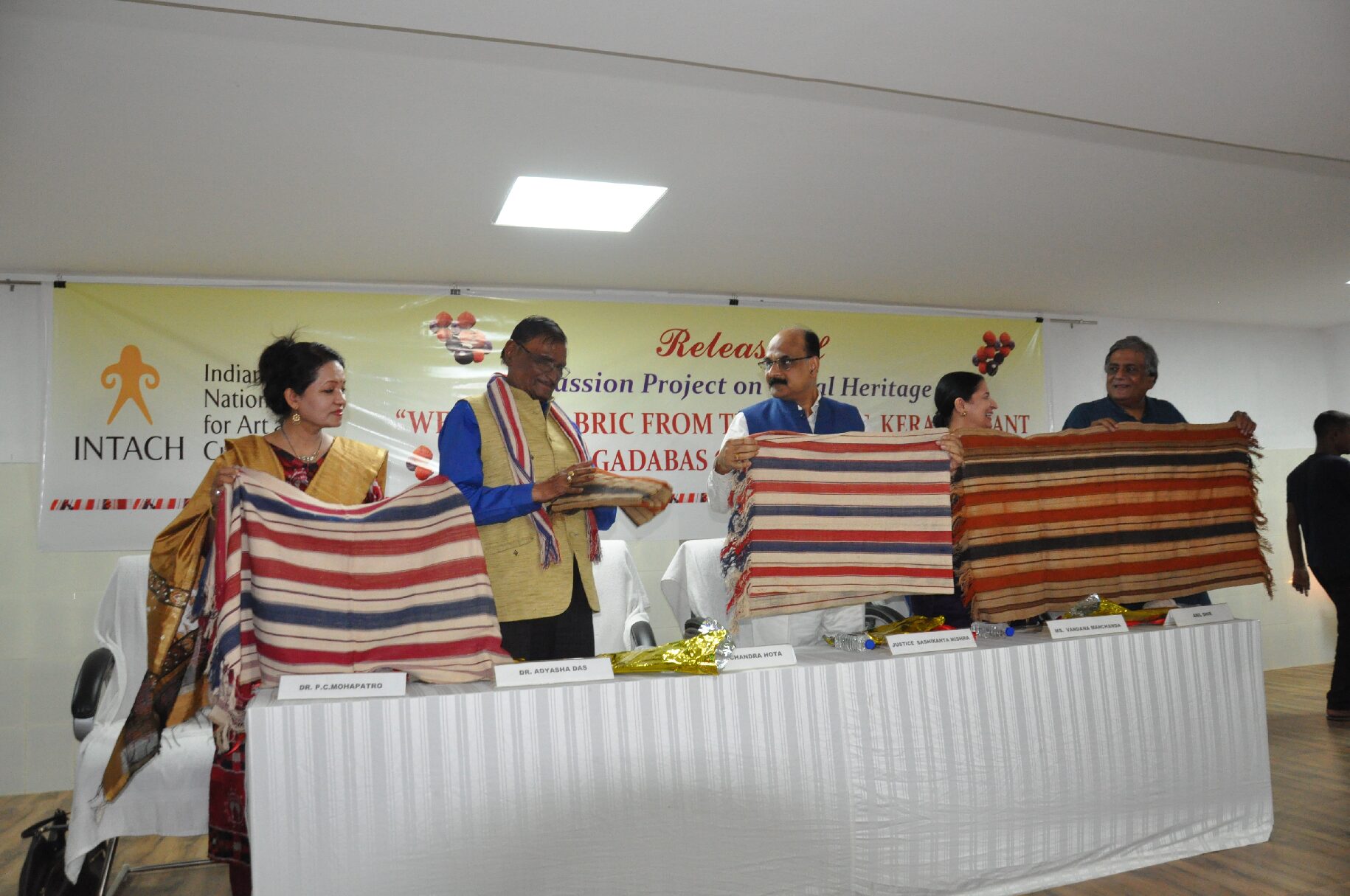
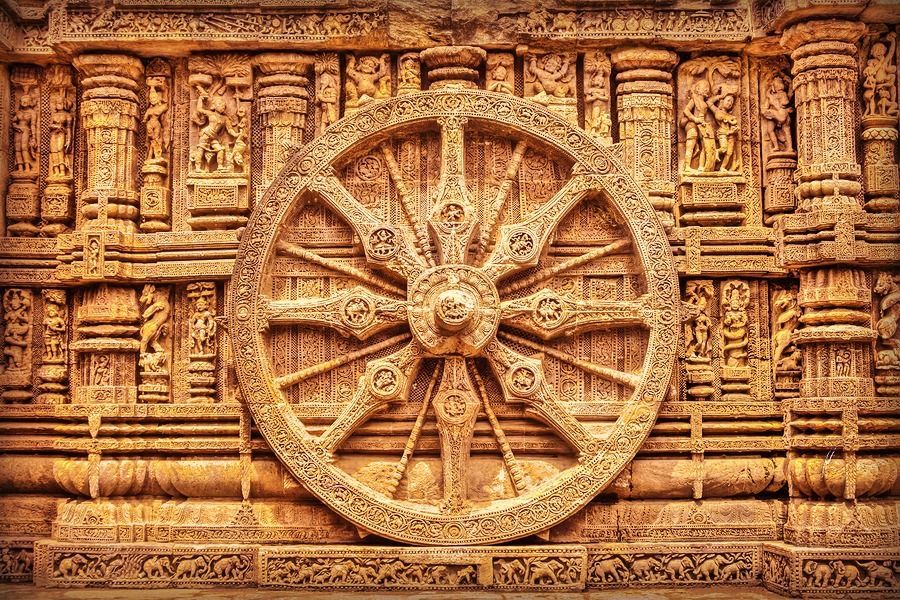
At the heart of Odisha’s civilizational ethos lies a unique philosophy where divinity and governance converge in Lord Jagannath, revered as the true sovereign guiding moral and cultural order. The institution of the Gajapati reflects governance as service. The martial spirit of the Paika symbolizes courage and discipline. Odisha’s cultural richness shines through its Cuttack filigree, its culinary traditions celebrated in Pakhala Divas, and the architectural heritage of Bhubaneswar, the Temple City. The elegance of Odissi reflects spiritual and artistic excellence. Equally significant is the resilience, dignity, and nurturing strength of Odia women.
The living tradition of Jagannath Temple continues to symbolize unity and inclusiveness. Yet a concerning trend is emerging—the gradual decline of Odia as a conversational language among younger generations. This erosion threatens the very foundation upon which Odisha was created.
As Odisha approaches its centenary in 2036, the moment demands bold reimagination. The path ahead must focus on value-added industries, agricultural self-reliance, employment generation, educational excellence, climate resilience, and technological integration. Harnessing emerging domains such as artificial intelligence, digital ecosystems, and startups will be critical in unlocking Odisha’s true potential.
Equally important is strengthening foundational education with multilingual proficiency rooted in Odia while embracing global competencies. Skill-based learning, early education reforms, and alignment with modern policy frameworks must shape future generations.
On April 1, 2026, as Odisha steps into its 90th year, a nonagenarian phase, a deeper introspection becomes essential. What have we achieved, and what have we lost? We have achieved identity, resilience, and cultural continuity. Yet we may have lost assertiveness, linguistic intimacy, and the urgency to realize our full potential.
At this defining moment, the spirit of Vande Utkala Janani must not remain ceremonial but become a living force of pride, responsibility, and collective action.
From the fire of the Paika rebellion to the vision of 2036, Odisha’s journey is not complete. It is an unfolding mission—shaped by courage, driven by innovation, and anchored in its timeless soul: its language, its people, and its enduring spirit.