




























SIR is in many ways being propagated as the worst legacy. Once citizens lose faith in elections, there’s no coming back from that, at least in the short term. The CJP, by shining a light on the Election Commission’s actions, is making an important contribution to the protection of democracy; which the opposition parties are required to do.
Over the past few months, right-wing parties and leaders have faced electoral setbacks across countries including Romania, Hungary, Serbia, the U.S. and Brazil, while youth-led protests in India are challenging the grip of Narendra Modi’s government. Do these developments signal a wider global shift? Has the populist far right finally entered a period of decline?
Donald Trump was a lucky guy in 2016 because backlash against the first African American president had galvanised prejudice among white voters who felt a diminution of their status. He also faced Hillary Clinton, who carried a lot of baggage. But 2016 also saw the impacts of the post-financial crisis economy and the rise of China. Trump was able to play grievance politics powerfully. He normalised a particular brashness and arrogance. The U.S. was suddenly led by someone who openly disdained liberalism, minority rights and basic due process. This empowered leaders around the world to believe they would not face the same criticism for doing so.
Trump was also the part of a wave that preceded his rise to power in 2016 like Victor Orban, Netanyahu, Erdogan, Duterte, Rajapaksa and Modi. The new wave of populists related to their people directly, using social media, fear, anxiety and anger. People call this national populism; because these leaders claim to defend the sons of the soil against threats like migrants and globalisation. But we need to look at populism at large. People are anxious and need security. They are prepared to abandon some liberty for security, and populists on the left and right can capitalise on that.
Europe comes late in this process. The youth is very divided. In France, young men turn to far-right parties. Women are very much on the left. Age and gender, variables that had little role in elections until recently, are back. Whether this will become a wave across Europe remains to be seen. The European scene is still very fragmented.
The cost of housing in Europe is a major factor. Young people are struggling with basic rites of passage like getting married, buying a house and having children. This generation can’t imagine achieving these in the next decade. This creates anxiety about what it means to be an adult. The other issue is the growth of oligarchic capitalism and the concentration of power and wealth in a handful of individuals and companies. The last point is impatience. The appeal of populism is partly because people are impatient for change. Everyday democracy seems so slow. But delivering on promises of radical change is difficult, and the system as a whole suffers a crisis of legitimacy.
Previously, a degree guaranteed a job. That’s no longer the case. Inequalities between northern and southern England, the Midwest and the two American coasts, and central France and the rest of the country have increased. These people have been abandoned by what used to be a welfare state. This is where we can connect neoliberalism to the rise of the far right and populism. People are looking for a saviour. Elites have used populism to distract people from socioeconomic issues. In India, Hindu nationalism redirected attention towards Muslims when other issues started mushrooming. For quite some time, this worked. But young people increasingly want to focus on the basics: education, jobs and a decent life.
Social media complement this trend. Populists can cut mainstream media out and go directly to consumers. The divides aren’t just in our heads; they’re in our daily lives. In India, the democratic ideas of loyal opposition, deliberate discussion and respect for minority rights over majoritarian impulses are nowhere particularly well protected.
The entrepreneurs in identity politics capitalise on fears and anxieties. They use religion, race and identity markers to get support. In Europe, the phrase ‘the great replacement’ prevails; the idea that white people will be replaced by non-white people. We need a robust civil society, a judiciary and an election commission willing to draw the line. Once red lines have been crossed, it’s very difficult to come back. If a Congress-led INDI Alliance government comes to power, how will it return to the situation of 2013? We need institutions that prevent ideologues from taking politics to a point of no return.
Evidence that voters have strict or coherent ideologies is pretty limited. Party labels, identity and pocketbook politics matter a great deal. Voters also react badly when they think elites are bending rules in their favour. In the U.S., exit polls showed corruption as a major reason; why voters wanted change.
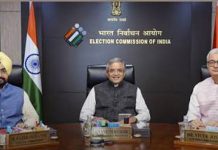
One of the nice things about elections is that it’s a referendum on how well you have done your job over the last four -five years. And if that means they want to try the other side, that’s good. These are movements and not just people. But a particular leader can alter politics in a way that makes it very hard to go back to. The delegitimisation of elections is also part of the populist playbook. In India, the SIR is in many ways being propagated as the worst legacy. Once citizens lose faith in elections, there’s no coming back from that, at least in the short term. The CJP, by shining a light on the Election Commission’s actions, is making an important contribution to the protection of democracy; which the opposition parties are required to do.
Democracy has two sides. The examples decide, and minorities have the same rights as majorities. The other side is the rule of law and institutions that ensure elections are free and fair. We have to make it work sufficiently well for everyone to believe in it. If not, we have what happened in Bangladesh, with people boycotting elections. People may vote in favour of NOTA. Elections need alternatives and actual choice.