




























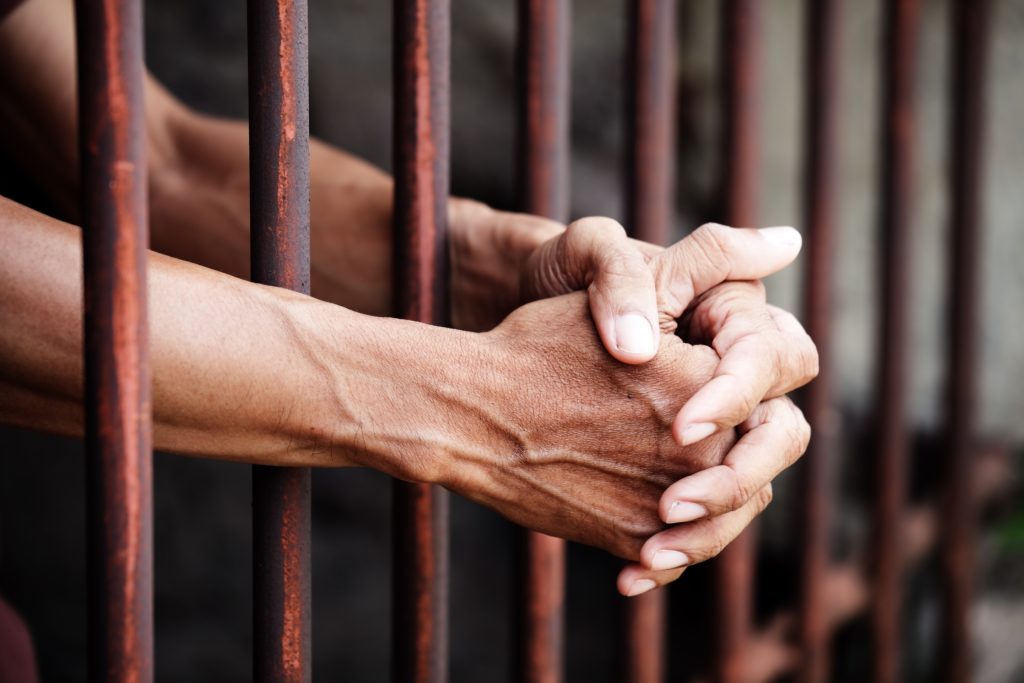
India’s prison system remains a stark illustration of systemic failures, characterized by a persistent neglect of basic prisoner welfare, human rights violations, and severe overcrowding.
In many jurisdictions, inmates retain all human rights and fundamental freedoms, with the exception of the right to liberty, which is restricted by law due to their convictions. Nevertheless, the actual enforcement of these rights is frequently inconsistent and varies significantly from one country to another and even among different prison facilities, revealing considerable disparities between legal principles and everyday experiences.
International and national legal frameworks affirm that prisoners are human beings deserving humane treatment and respect for their inherent dignity. Important instruments include:
The Universal Declaration of Human Rights (UDHR), which guarantees fundamental rights to all individuals, including those incarcerated. The International Covenant on Civil and Political Rights (ICCPR), which requires that all individuals deprived of their liberty be treated with humanity. The United Nations Standard Minimum Rules for the Treatment of Prisoners (the “Nelson Mandela Rules”), which establish a universal standard for prison management and conditions.
In India, prisoners possess rights; however, these rights vary in their extent and implementation. All individuals, including those incarcerated, are entitled to certain fundamental rights as per Indian law and the Constitution. Efforts for prison reform have been ongoing, aimed at improving conditions and ensuring that these rights are upheld.
Despite these efforts, India’s prison system remains a stark illustration of systemic failures, characterized by a persistent neglect of basic prisoner welfare, human rights violations, and severe overcrowding. Conditions within prisons continue to be deplorable, with facilities operating well beyond their intended capacity, despite numerous court decisions and policy suggestions since the 1980s. The systematic breakdown is especially evident in the treatment of vulnerable populations, such as inmates with disabilities, who face significant marginalization and a loss of essential human dignity. Key rights include the following:
Right to Life and Personal Liberty: Protection against cruel, inhuman, or degrading treatment or punishment, which encompasses torture and the arbitrary application of restraints like handcuffs.
Right to Human Dignity: All individuals deprived of their liberty must be treated with humanity and respect for their inherent dignity.
Right to Health and Medical Care: Access to sufficient healthcare services, including both physical and mental health treatment, that is comparable to what is available in the community.
Right to a Fair Trial and Legal Aid: The right to be informed of the reasons for arrest, to have prompt trials, and to receive free legal representation if unable to afford it.
Right to Communication: The ability to communicate with the outside world, including family members, friends, and legal representatives, under supervision.
Right to Adequate Living Conditions: Access to essential needs such as sufficient food, clean drinking water, clothing, and shelter, along with appropriate sanitation and hygiene facilities.
Right to Rehabilitation and Education: Opportunities for vocational training, education, and employment to aid in social reintegration following release.
Implementation Challenges: Despite the presence of strong legal frameworks, there frequently exists a considerable disparity between policy and actual practice. Key issues that compromise the rights of prisoners include the following:
Overcrowding: Numerous prisons function well above their designed capacity, resulting in poor sanitation, limited resources, and an increased likelihood of violence and disease.
Undertrial Prisoners: In India, a significant portion of the prison population comprises undertrial detainees who are often held for long durations while awaiting trial, infringing upon their right to a prompt trial.
Inadequate Facilities: Common issues include a lack of sufficient medical and mental health care, poor nutrition, and subpar living conditions.
Abuse and Violence: Reports of custodial violence, physical mistreatment, and the arbitrary application of force by authorities continue to occur, despite existing judicial guidelines.
Lack of Reformative Approach: Many systems still emphasize punitive actions over rehabilitation and social reintegration, neglecting to offer sufficient vocational training and educational opportunities.
In summary, although human rights principles are theoretically applicable to all individuals, including prisoners, the actual realization of these rights is frequently hindered by systemic deficiencies, insufficient resources, and uneven enforcement of current laws.