



















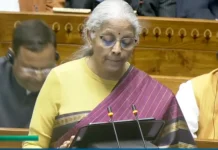




The Union Budget has already been presented in Parliament. Various states, keeping in view the central assistance allocated to them, are preparing their respective budgets for presentation and passage in their legislative assemblies. Odisha has received notable support in the current Union Budget. However, the framework of the State Budget must be designed primarily on the basis of actual needs and long term developmental priorities. A budget is shaped not merely by the inflow of funds, but by the strength of fiscal management, effectiveness of projects, and efficiency of administration.
A state budget is not simply a statement of income and expenditure. It reflects social vision, economic strategy, and administrative accountability. At a time when the global economy is witnessing shifts in trade policies, the effects of United States tariff measures, climate concerns, and geopolitical instability, the Odisha Budget 2026–27 stands both as an opportunity and a responsibility. It is an opportunity because Odisha possesses financial stability and abundant natural resources. It is a responsibility because allocations must be translated into measurable progress.
Recent economic indicators show that Odisha’s Gross State Domestic Product growth has remained robust in recent years, supported by mining, manufacturing, and services expansion. However, growth figures alone do not capture distributional equity or employment intensity. The Budget may therefore focus on ensuring that macroeconomic strength translates into household level income stability, particularly in rural and backward regions.
While central assistance constitutes a significant component of Odisha’s budget, sustainable development depends on prudent fiscal coordination and effective implementation. Through centrally sponsored schemes, Finance Commission grants, disaster management funds, agricultural infrastructure support, water resource development, rural roads, healthcare missions, and educational initiatives, substantial resources flow into the state. Development, however, is realized through timely and judicious utilization.
Unutilized central funds that remain idle may reflect gaps in fiscal coordination and administrative execution. Careful project planning, simplified tendering procedures, effective interdepartmental coordination, and robust digital monitoring systems can further enhance outcomes. Odisha has maintained commendable fiscal discipline in recent years. Continued strengthening of implementation capacity across sectors can help ensure that every rupee spent produces tangible and productive results.
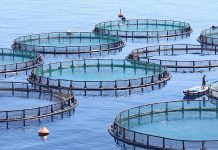
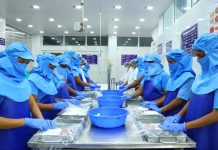
Changes in global trade, including a possible shift in the United States tariff regime currently under consideration, may create new avenues for exports. India’s marine and aquaculture products could benefit from such developments. Odisha, with its long coastline, shrimp farming, and fisheries resources, is well positioned to take advantage. This would require strict quality standards, strengthened cold chains, processing facilities, and improved port infrastructure, along with easier access to institutional credit and training support for fishermen.
Milk, eggs, and meat are chief sources of animal protein essential for physical and mental development. At present, Odisha depends partly on neighboring states to meet its requirements. Focused planning to enhance domestic production through scientific breeding, disease control, and productivity improvement can strengthen self reliance. Cooperative dairy models at the grassroots level, ensuring remunerative pricing and expanded processing facilities, may further promote value addition. Similarly, the poultry sector has potential for diversification into processed and value added segments.
Odisha continues to rely on inter state supply for commodities such as potatoes and onions. Investment in cold storage facilities, processing units, and market stabilization mechanisms can help reduce volatility and strengthen rural income. Paddy procurement through mandis may also benefit from continued digitization and transparency to ensure timely payment and farmer confidence.
Small livestock development remains central to rural livelihoods. Goat rearing, sheep farming, duck rearing, and backyard poultry provide economic security to households. Strengthening veterinary services, vaccination drives, diagnostics, and breed improvement programs can enhance productivity. Such initiatives also create income opportunities for women’s self help groups.
Women empowerment may now move toward contemporary skill ecosystems. While traditional activities such as tailoring and preparation of food products have supported self help groups, the evolving economic environment calls for expanded opportunities. Many young women in Odisha are educated and possess basic computer literacy. With increasing digital penetration, rural service delivery models require trained women capable of managing technology based enterprises. Budgetary support for training in digital services, computer hardware maintenance, mobile repair, data entry operations, e governance facilitation, photocopy and documentation centres, and rural computer training institutions may generate sustainable livelihoods. Inclusion of educated women in self help groups can enhance deliberation quality, financial management, and entrepreneurial planning. Structured eligibility norms, minimum educational qualifications, and certification standards can ensure professionalism and accountability.
Sustainable development requires focused manpower planning. Certain regions of Western Odisha experience seasonal migration due to limited local employment avenues. Strengthening agro industries, food processing units, livestock clusters, fisheries hubs, and micro enterprises can enhance local opportunities. Field based assessments and participatory planning mechanisms may further improve policy effectiveness.
In this context, the Western Odisha Development Council may be reviewed to further enhance its effectiveness in addressing regional imbalances across districts such as Sambalpur, Bolangir, Kalahandi, and Nuapada. Clear objectives, measurable indicators, and transparent monitoring systems can strengthen its developmental impact.
Administrative empowerment begins at the grassroots. The Ramayana offers a timeless lesson in governance, emphasizing experiential understanding before policy formulation. Policies grounded in district, block, and village level data are likely to yield stronger outcomes.
District level planning cells equipped with data analysis units and structured capacity building for field staff can enhance coordination. Encouraging technical officers to contribute to policy processes, while maintaining balanced administrative oversight, may promote innovation and institutional efficiency.
Education remains fundamental. Foundational competence, scientific temper, research orientation, and entrepreneurship development must receive continued emphasis. A balanced language policy that promotes Odia identity, national connectivity, global engagement, and classical heritage can reinforce cultural confidence.
Beyond fiscal allocations, the preparation of political leadership also influences development trajectories. Legislative orientation programs and policy literacy initiatives can strengthen governance quality and institutional stability.
Budgetary expenditure finds meaning only in measurable outcomes. Employment generation, income enhancement, infrastructure expansion, and improved educational quality must remain the guiding indicators. Digital dashboards, social audits, and performance based reviews can deepen accountability.
Social welfare schemes may benefit from periodic evaluation to ensure long term stability and dignity for beneficiaries. Strengthening institutional support mechanisms can transform financial assistance into sustained empowerment.
The State Government has laid a strong foundation in fiscal discipline, infrastructure development, and disaster resilience. The forthcoming Budget presents an opportunity to deepen these achievements through coordinated, data driven, and inclusive strategies.
The Odisha Budget 2026–27 can serve as a testament to accountable governance. Harmonizing fiscal prudence, administrative efficiency, women led digital entrepreneurship, manpower utilization, regional balance, and institutional strengthening can guide Odisha toward sustained and inclusive progress. A thoughtful and outcome oriented budget can transform economic strength into human capital empowerment and long term prosperity.